
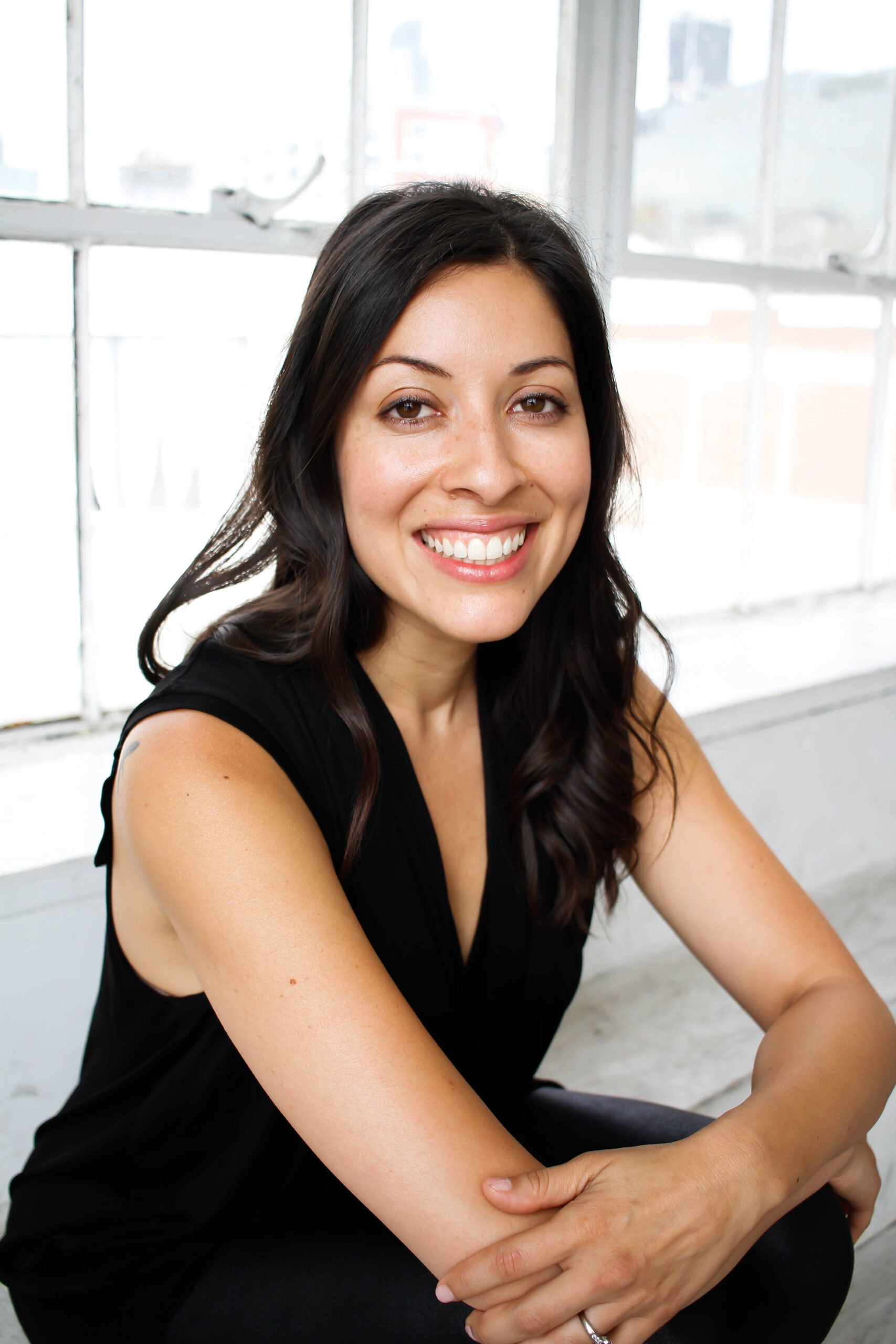
For two decades, I struggled with sex and porn addiction. And because so few people were talking about this, my addiction caused me to feel isolated, weird, ashamed, and unlovable. Anyone who suffers from sex and porn addiction would likely be familiar with these feelings. As a woman, I felt even weirder. Women are not supposed to behave this way, I thought. After all, I couldn’t locate stories of other women behaving as I had, or feeling how I’d felt.
Maybe because I’d been raised Catholic, or maybe because I’d kept a diary for so long, I decided to confess my darkest secrets, first on the page for my own cathartic purposes, but later in public forums like online magazines, radio shows, and TV segments. In the beginning, confessing felt dangerous and uncomfortable. But the more I confessed, the more natural it felt, and the more relief I found in the mere act of telling.
I also found that the more honest and vulnerable I allowed myself to be, the more other people felt comfortable sharing their own stories with me. Stories about experiences in their lives that had led to them to feel ashamed, lonely and unlovable. In this simple exchange, something beautiful was born between us: connection.
Eventually, those confessions became essays and a memoir, Getting Off. They also taught me something about writing: the stories we’re most afraid to tell are often the ones worth examining most closely — not because we have to share everything, but because writing can help us question the stories we’ve been telling ourselves about who we are.
I work with writers — and people who don’t think of themselves as writers yet — who want to turn difficult, complicated, or deeply personal experiences into stories. There are a few ways to get started.

Coming soon: a free online publication featuring personal essays and writing prompts about the things we're afraid to tell.

Coming soon: courses and workshops to help you turn difficult experiences into stories through prompts, craft exercises, and guided reflection.

Have a piece you'd like help with? Send me your word count and a little about what you're working on, and I'll send you a quote.
EMAIL ME →
Everyone has a story. In fact, we tell stories every day — sometimes to other people, but mostly to ourselves. We have a story for how we love (or how we push love away), why we’re good at some things (and terrible at others), and why we have the relationship we have with our parents (or no relationship at all).
When we link these stories together, we have a picture of who we think we are, what we think we’re capable of, and how we think the future will pan out. While these stories are useful, I’m more interested in those stories we don’t tell as often. Stories that might reveal to us an identity we don’t recognize yet (or had long ago forgotten), stories that reveal new capabilities, and new possibilities for the future.
My approach to personal storytelling is also informed by training in narrative therapy techniques through the Vancouver School of Narrative Therapy, which taught me to pay particular attention to the stories we tell ourselves about who we are — and what happens when we begin to question them.